


{{ variable.name }} : {{ variable.values[selectedVariantsIndex[variable_index]].name }}
Quantity:
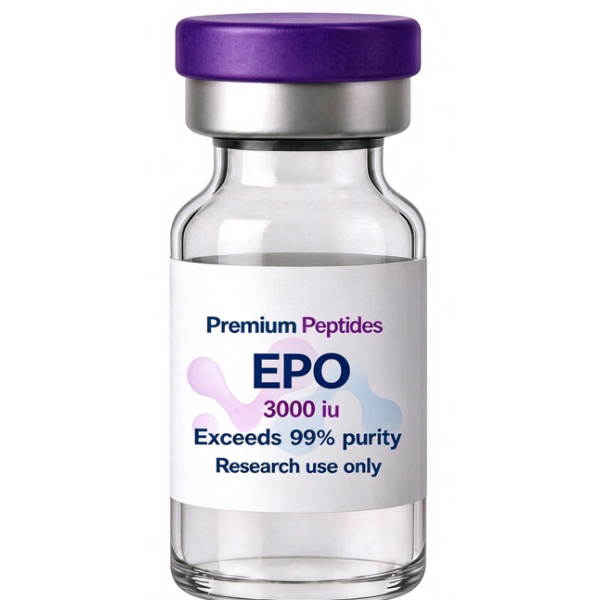
An EPO peptide (or erythropoietin-mimetic peptide, such as EMP17) is a synthetic, short-chain amino acid sequence engineered to mimic the biological action of natural Erythropoietin (EPO).
• Receptor Activation: It binds to and dimerizes the extracellular domain of the erythropoietin receptor (EPO-R), triggering the same downstream signaling pathways (such as JAK2/STAT5) as the full-length hormone.
• Red Blood Cell Production: Its primary function is to stimulate erythropoiesis by preventing the apoptosis of early erythroid progenitor cells in the bone marrow.
• Research vs. Clinical Status: Unlike full-length recombinant EPO (used clinically to treat anemia from chronic kidney disease or chemotherapy), smaller EPO-mimetic peptides are largely experimental tools designed to study receptor interactions, avoid certain neutralizing antibody reactions, or navigate around the high production complexity of large glycoproteins.
Key Characteristics of EPO Mimetics (e.g., EMP17)
• Structure: Much smaller and structurally simpler than the native 165-amino-acid Erythropoietin glycoprotein. For instance, EMP17 is an 18-amino-acid sequence (TYSCHFGPLTWVCKPQGG) with a molecular weight around 1,981 Da.
• Stability: Engineered for enhanced serum stability compared to fragile or large protein counterparts.
• Risks & Regulations: Just like full-length EPO, artificially ramping up red blood cell production thickens the blood, drastically increasing the risk of hypertension, blood clots, stroke, and heart attack.