


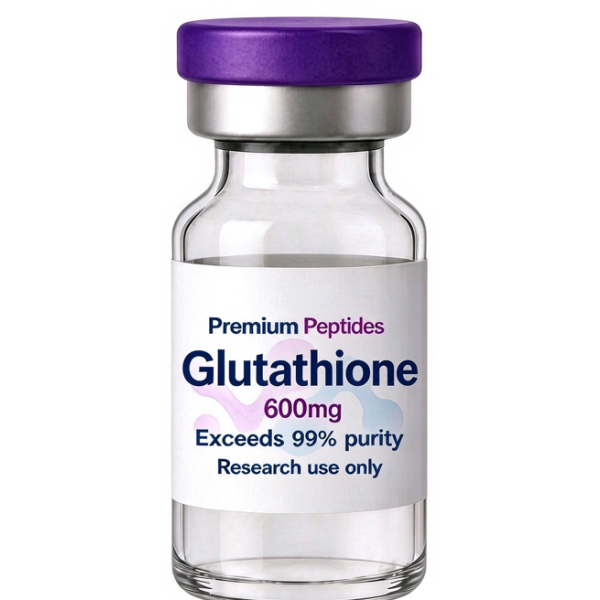
{{ variable.name }} : {{ variable.values[selectedVariantsIndex[variable_index]].name }}
Quantity:
Glutathione is a natural molecule made by your body's cells. It is a tripeptide—meaning it is built from three amino acids: glutamate (or glutamic acid), cysteine, and glycine.
Often called the "master antioxidant", glutathione plays a central role in protecting your cells and managing overall health.
What Glutathione Does in the Body
• Fights Oxidative Stress: It neutralizes harmful free radicals, reactive oxygen species, and toxins that can damage cells and DNA.
• Regenerates Antioxidants: It helps recycle and reactivate other key antioxidants, such as Vitamin C and Vitamin E.
• Supports Detoxification: Concentrated heavily in the liver, it binds to toxins and helps your body clear them out through phase I and II detox reactions.
• Aids Cellular Function: It assists with amino acid transport, protein repair, and immune system support.
Natural Sources & Levels
Your body synthesizes glutathione on demand, primarily in the liver. However, natural levels can drop due to:
• Aging
• Chronic stress, poor nutrition, or lack of sleep
• Smoking, high alcohol intake, and environmental pollution
• Certain chronic health conditions
You can support or boost your body's natural glutathione production by eating foods rich in its building blocks (such as broccoli, spinach, asparagus, avocado, and tomatoes), or by consuming nutrients like N-acetylcysteine (NAC) or milk thistle which help the body make more of it.
• Oral Supplements: Available over-the-counter as capsules or liquids. Absorption via the digestive tract can be variable or limited, and the U.S. Food and Drug Administration (FDA) does not test or approve dietary supplements to treat or cure diseases.