


{{ variable.name }} : {{ variable.values[selectedVariantsIndex[variable_index]].name }}
Quantity:
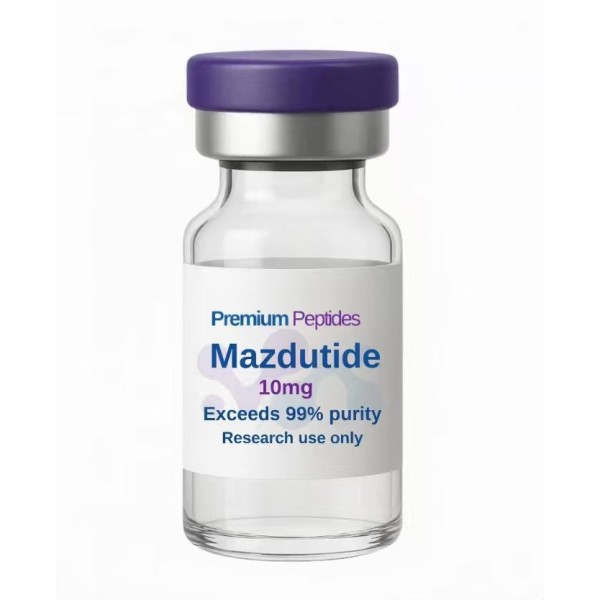
Mazdutide is a long-acting, once-weekly subcutaneous injectable drug that acts as a dual agonist of the glucagon-like peptide-1 (GLP-1) receptor and the glucagon (GCG) receptor.
What It Is & How It Works
• Drug Class: An analog of the mammalian hormone oxyntomodulin (OXM).
• Developer/Manufacturer: Developed jointly through a license agreement between Innovent Biologics and Eli Lilly and Company.
• Mechanism of Action:
• GLP-1 pathway: Enhances insulin secretion, lowers blood glucose, slows gastric emptying, and reduces appetite.
• Glucagon pathway: Increases energy expenditure, boosts thermogenesis and fat oxidation, and helps reduce liver fat.
Approval & Status
• China: Approved by the National Medical Products Administration (NMPA) for chronic weight management in adults (obesity or overweight with related comorbidities) and for type 2 diabetes.
• United States / FDA: Investigational and not FDA-approved.
Clinical Efficacy & Studies
• Weight Loss: In Phase 3 trials (such as GLORY-1 and GLORY-2), once-weekly mazdutide produced significant body weight reductions (around 14% to over 15% to 17% depending on dose and study duration) alongside improvements in waist circumference, blood pressure, blood lipids, uric acid, and liver enzymes.
• Type 2 Diabetes (DREAMS trials): Demonstrated strong glycemic control and weight reduction in head-to-head and placebo-controlled studies.
Side Effects
• Common Events: Primarily mild-to-moderate gastrointestinal disturbances, including nausea, vomiting, diarrhea, decreased appetite, and bloating, plus transient increases in heart rate (tachycardia) in some individuals