


{{ variable.name }} : {{ variable.values[selectedVariantsIndex[variable_index]].name }}
Quantity:
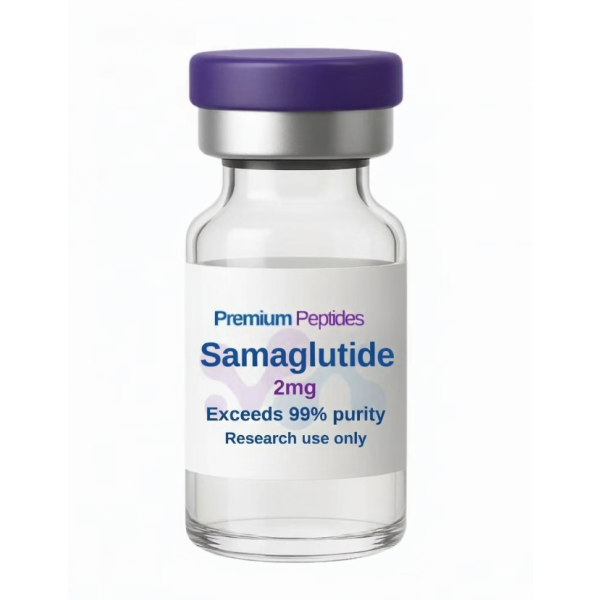
Semaglutide is a synthetic 31-amino-acid peptide analogue of human GLP-1 (glucagon-like peptide-1).
What It Is & How It Works
• GLP-1 Receptor Agonist: It mimics the natural incretin hormone GLP-1, binding to receptors in the pancreas, brain, and gastrointestinal tract.
• Blood Sugar Control: It stimulates glucose-dependent insulin secretion from pancreatic beta cells and suppresses glucagon release from alpha cells.
• Appetite & Weight Management: It slows gastric emptying and acts on hunger centers in the brain to increase feelings of fullness and reduce appetite.
• Structural Design: Modifications—including an Aib amino acid substitution (resisting DPP-4 enzymatic breakdown) and a C18 fatty diacid chain attached via a linker—allow strong binding to blood albumin, extending its half-life to about 7 days.
Approved Medications vs. Research Peptides
• FDA-Approved Brands: Semaglutide is the active pharmaceutical ingredient in FDA-approved prescription drugs such as Ozempic (type 2 diabetes, subcutaneous injection), Rybelsus (type 2 diabetes, oral tablet), and Wegovy (chronic weight management and cardiovascular risk reduction, subcutaneous injection).
• Research Chemicals ("Grey Market"): Unregulated online vendors sell lyophilized semaglutide peptide powder labeled strictly for "laboratory research use only". These research chemicals and unapproved compounded versions do not carry the same safety, sterility, or dosing guarantees as FDA-approved pharmaceuticals and are not intended for human consumption or self-administration.
Common Side Effects
• Gastrointestinal Issues: Nausea, vomiting, diarrhea, constipation, and abdominal pain are the most frequently reported adverse effects.
• Serious Warnings: It is contraindicated in individuals with a personal or family history of medullary thyroid carcinoma or Multiple Endocrine Neoplasia type 2 (MEN 2).